How Often Should You Work Out to See Results That Actually Last
May 1, 2026
by Jeremy Jones
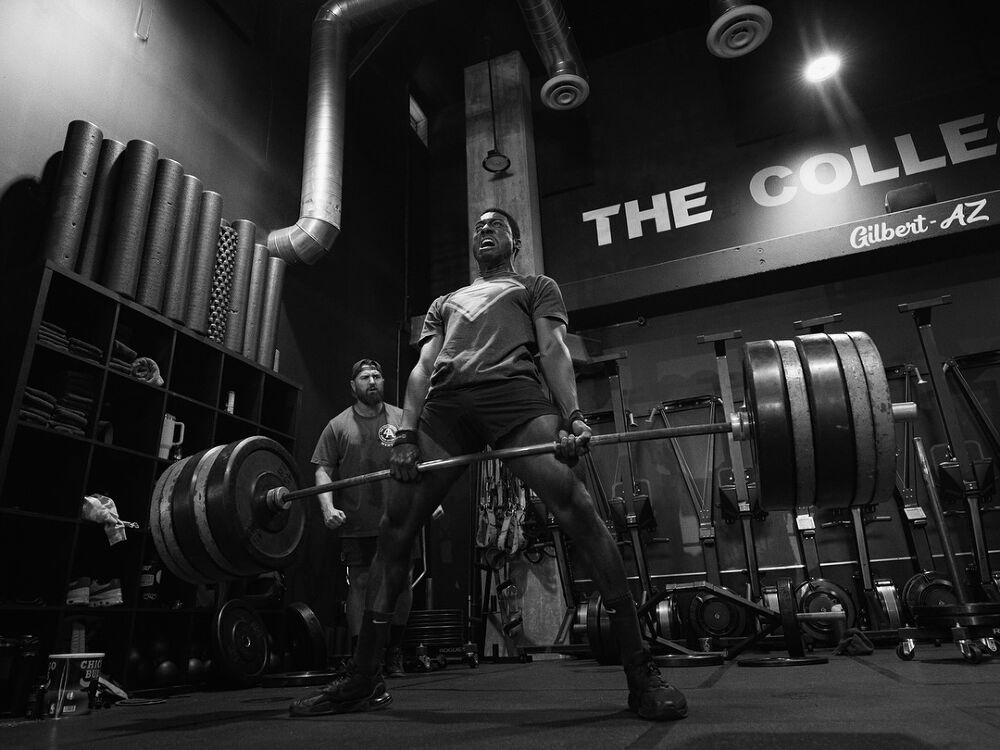
This is one of the most common questions people ask.
And also one of the most poorly answered.
You will hear things like:
- Three days per week
- Five days per week
- Every day, if you are serious
None of those answers are wrong.
But none of them are useful either.
Because frequency without structure does not produce results.
Why This Question Matters More Than You Think
If you train too little, you do not create enough stimulus to improve.
If you train too much, you cannot recover fast enough to adapt.
Most people bounce between both.
They start motivated, train five or six days per week, feel great for two weeks, then crash.
After that, consistency disappears.
The goal is not maximum frequency.
The goal is repeatable consistency.
What Most People Get Wrong About Workout Frequency
They assume more is better.
So they stack workouts like this:
- Monday intense class
- Tuesday cardio
- Wednesday random strength
- Thursday another class
- Friday exhausted
No progression. No plan. Just effort.
What happens next:
- Performance drops
- Motivation fades
- Small aches turn into injuries
The problem is not effort.
It is a lack of structure.
The Right Answer Depends on One Thing
Your ability to recover.
Not your motivation.
Not your schedule.
Recovery determines how often you can train effectively.
That includes:
- Sleep
- Nutrition
- Stress levels
- Training intensity
If those are not aligned, adding more workouts makes things worse.
The Minimum Effective Dose That Actually Works
If your goal is results, not just activity, here is what works for most people:
Three to four structured sessions per week
That is enough to:
- Build strength
- Improve endurance
- Create visible progress
- Stay consistent long term
Anything beyond that should support recovery or skill, not just add fatigue.
This is exactly how Strength Training at The Collective is programmed. Each session has a purpose, so you are not guessing.
What a Realistic Weekly Schedule Looks Like
Here is what actually works for someone with a job, responsibilities, and limited time:
Day 1:
Strength-focused session
Day 2:
Rest or light movement
Day 3:
Strength plus conditioning
Day 4:
Rest or recovery work
Day 5:
Endurance or cycling session
Day 6:
Optional mobility or Pilates
Day 7:
Full rest
This is simple.
But more importantly, it is repeatable.
You can follow this for months, not just weeks.
Where Most People Start Overtraining
It usually happens here.
Weeks 1 and 2 feel great.
Energy is high.
So they add extra sessions.
By week 3:
- Sleep quality drops
- Workouts feel harder
- Motivation declines
They think they need to push harder.
What they actually need is less volume and better recovery.
Strength Training Should Anchor Your Week
If you are unsure how to structure your week, start here.
Strength sessions should be your priority.
They create:
- Muscle development
- Metabolic demand
- Long-term progress
Everything else supports that.
This is why structured Personal Training at The Collective often delivers faster results. It removes the guesswork and builds progression into your schedule.
Conditioning Has a Role, But It Is Not Everything
Cardio is important.
But too much of it without structure leads to fatigue without progress.
A better approach is targeted conditioning.
That is where Ride Plus Cycling Classes fit in.
They allow you to:
- Build endurance
- Control intensity
- Avoid unnecessary fatigue
You get the benefit without compromising recovery.
Recovery Is What Most People Ignore
Here is the part people skip.
Recovery is not optional.
It is the reason results happen.
If you are constantly tired, sore, or unmotivated, you are not undertrained.
You are under recovered.
That is why Recovery Services at The Collective exist.
They help your body:
- Reset
- Adapt
- Stay consistent
Without recovery, frequency does not matter.
Practical Framework You Can Follow
If you want a simple rule, use this:
- Train hard three times per week
- Move lightly one or two times
- Rest completely at least once
Then adjust based on how you feel.
Not how motivated you are.
How you recover.
Common Mistakes That Kill Results
Training hard every day without purpose
Skipping rest because you feel guilty
Adding more workouts instead of improving quality
Ignoring sleep and nutrition
Switching programs too often
These are the real reasons people do not see results.
Not because they are not working hard enough.
FAQ
Is working out every day better for results?
No. Without proper recovery, daily training often leads to fatigue and slower progress.
Is three days per week enough?
Yes, if those sessions are structured and consistent.
What happens if I only work out twice per week?
You can maintain fitness, but progress will be slower unless intensity and structure are very high.
How do I know if I am overtraining?
Persistent fatigue, poor sleep, lack of motivation, and declining performance are common signs.
Should I do cardio and strength on the same day?
It depends, but combining them in a structured session is often more efficient than separating them randomly.
Conclusion
You do not need more workouts.
You need better ones.
The people who see real results are not training the most.
They are training consistently, recovering properly, and following a system that makes sense.
If you want that system already built for you, where every session has a purpose and progression is not left to chance, start here: