Cold Plunge After a Workout: When It Helps and When to Wait
Sep 15, 2026
by Jeremy Jones
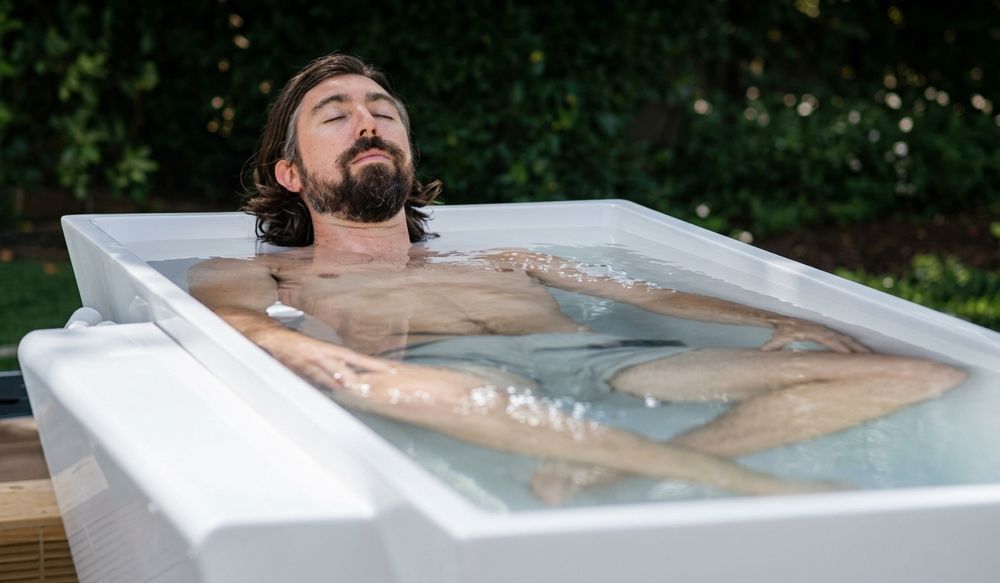
Cold plunges can be useful after exercise, but the best timing depends on what you want from your training.
If your priority is reducing soreness or feeling more recovered before another demanding session, cold water immersion may help. If your main goal is maximizing muscle growth, regularly jumping into very cold water immediately after strength training may not be the best choice.
That distinction matters because recovery is not simply about feeling better as quickly as possible. Sometimes the temporary stress created by training is part of the process that helps your body adapt.
At The Collective in Gilbert, members have access to cold plunge alongside traditional sauna and red light therapy through Recovery at The Collective. The most useful approach is not to use every recovery tool automatically. It is to match the tool to the goal. 🧊
Start With One Question: What Are You Recovering For?
Before deciding when to cold plunge, ask yourself what matters most over the next day or two.
- Are you trying to build muscle?
- Are you preparing for another hard training session?
- Did you just complete a demanding conditioning workout or competition?
- Are you simply using cold exposure on a recovery day because you enjoy it?
Those situations are not identical.
Cold water immersion can influence how you feel after exercise, but feeling less sore does not automatically mean your body adapted more effectively.
That is why timing deserves some thought.
What Cold Plunging Can Do for Short-Term Recovery
Research is reasonably supportive of cold water immersion for reducing perceived muscle soreness after strenuous exercise.
A systematic review published in Sports Medicine examined 28 studies and found that cold water immersion performed well for muscle soreness compared with several other recovery approaches.
A more recent 2026 systematic review also found that cold water immersion may reduce subjective soreness, although the researchers cautioned that certainty around some recovery outcomes remains limited.
That makes cold particularly relevant when short-term readiness matters.
For example, imagine you complete a difficult conditioning event on Saturday and have another demanding effort on Sunday. In that situation, reducing soreness and improving how recovered you feel may be more important than maximizing a long-term muscle-building signal from that single session.
💪 The context changes the decision.
Why Strength Training Creates a Different Question
Strength training works partly because the body responds to the stress created by resistance exercise.
When you follow Strength and Conditioning at The Collective, the program uses coached progression rather than random workouts. The goal is to give your body an appropriate stimulus, then allow it to adapt over time.
That is where immediate cold exposure becomes more complicated.
A 2024 systematic review and meta-analysis found evidence that using cold water immersion immediately after resistance training may modestly reduce muscle growth compared with resistance training alone. Importantly, the authors also noted that the available studies were generally fair to poor in quality, so the finding should not be treated as an absolute rule.
The research mainly examined cold immersion performed very soon after training. It does not establish one perfect waiting period for everyone.
So the practical takeaway is not that cold plunging destroys your gains.
It is that if building as much muscle as possible is one of your main goals, there is little reason to make a long, immediate cold plunge after every strength session your default habit.
A Simple Cold Plunge Decision Guide
Use this checklist before deciding whether cold belongs immediately after your workout.
If your main goal is muscle growth
Consider waiting rather than plunging immediately after lifting.
The available evidence suggests that repeated immediate cold exposure may modestly interfere with hypertrophy adaptations. The research does not establish a precise number of hours you must wait.
If you need to feel ready for another demanding session soon
Cold immersion may be useful.
Research suggests it can help with soreness and perceived recovery after strenuous exercise, which may matter during competitions, demanding training blocks, or closely scheduled events.
If today is a conditioning or endurance day
Cold may fit more naturally into your recovery plan because maximizing the immediate muscle-building response is less likely to be your primary goal for that session.
The Collective also offers Ride at The Collective and dedicated hybrid conditioning, making it possible to separate different training goals across the week rather than treating every session the same way.
If today is a recovery day
Cold exposure can be used as an intentional wellness practice without placing it directly after your lifting session.
If you are new to cold plunging
Do not treat the coldest possible temperature as an achievement.
The goal is not to prove toughness. Start conservatively and follow the facility guidance that applies to your experience and health history.
How Cold Plunge Fits Into Recovery at The Collective
The Collective has a dedicated Recovery Room at Epicenter at Agritopia in Gilbert.
The space includes two cold plunges, a traditional sauna, and red light therapy. The current schedule describes 45-minute Recovery Room sessions, with cold plunge temperatures adjustable from 39°F to 55°F depending on experience and comfort.
That range does not mean colder is automatically better.
Research comparing cold water immersion protocols has not shown that simply choosing a colder temperature consistently produces better recovery outcomes.
A smarter approach is to decide what you want from the session first.
For example:
• After a heavy lower body strength day focused on muscle development, you might choose hydration, food, sleep, light movement, or another recovery option and save your cold plunge for later.
• After a hard hybrid conditioning event with another session approaching quickly, you may decide that reducing soreness is the greater priority.
• On a dedicated recovery day, you might use Recovery at The Collective without needing to coordinate it immediately around resistance training.
This is what intentional recovery actually looks like. It is not doing everything. It is choosing what fits the purpose.
Do Not Let Recovery Tools Replace the Basics
Cold plunges can be appealing because they feel immediate and tangible.
But the fundamentals still matter more.
Before worrying about the perfect plunge protocol, pay attention to:
• Adequate sleep
• Enough food to support your activity
• Consistent protein intake
• Hydration
• Appropriate training volume
• Rest between demanding sessions
• Regular movement
Recovery tools should support those habits, not compensate for consistently ignoring them.
For a broader explanation of how training and recovery work together, see Why Recovery Is the Missing Piece in Your Fitness Plan.
Cold Plunge Safety Matters
Cold water produces an immediate physiological response.
Sudden immersion can rapidly change breathing, heart rate, and blood pressure. The American Heart Association advises particular caution for people with a history of heart disease because cold exposure places additional stress on the cardiovascular system.
Talk with an appropriate health professional before cold plunging if you have cardiovascular disease, significant blood pressure concerns, a medical condition that affects your response to cold, or any uncertainty about whether cold exposure is appropriate for you.
You should also stop if you feel dizzy, faint, confused, unusually short of breath, or otherwise unwell.
Cold exposure is a recovery tool, not a test of how much discomfort you can tolerate.
The Best Recovery Strategy Depends on Your Goal
There is no universal rule saying everyone should cold plunge after every workout.
If soreness and short-term readiness matter most, cold water immersion may be useful.
If muscle growth is the priority, routinely plunging immediately after lifting deserves more caution.
And if you simply enjoy cold exposure as part of your recovery routine, separating it from your most important strength sessions may be a reasonable way to use both tools without treating recovery as an all-or-nothing decision.
The important question is not:
Should I cold plunge?
It is:
What am I trying to accomplish today?
That one question can make your recovery routine much more intentional. ✅
If you train in Gilbert and want access to cold plunge, traditional sauna, and red light therapy in one setting, explore Recovery at The Collective and ask the team how recovery can fit around your current training goals.
Frequently Asked Questions
Should I cold plunge immediately after lifting weights?
If maximizing muscle growth is your main goal, regularly using cold water immersion immediately after lifting may not be ideal. Current evidence suggests it could modestly reduce hypertrophy adaptations, although the research is still limited.
Does cold plunging help muscle soreness?
It can. Systematic reviews have found reductions in perceived muscle soreness after strenuous exercise, although responses vary and soreness is only one measure of recovery.
How long should I wait after strength training?
Research has not established one scientifically proven waiting period. Studies showing possible interference with muscle growth generally examined cold immersion soon after resistance exercise. If hypertrophy is important to you, separating cold exposure from your lifting session is a conservative approach.
Does The Collective offer cold plunge in Gilbert, AZ?
Yes. The Collective Recovery Room has two cold plunges, along with traditional sauna and red light therapy at Epicenter at Agritopia in Gilbert.