What Is Hybrid Conditioning? A Beginner’s Guide
Nov 1, 2026
by Jeremy Jones
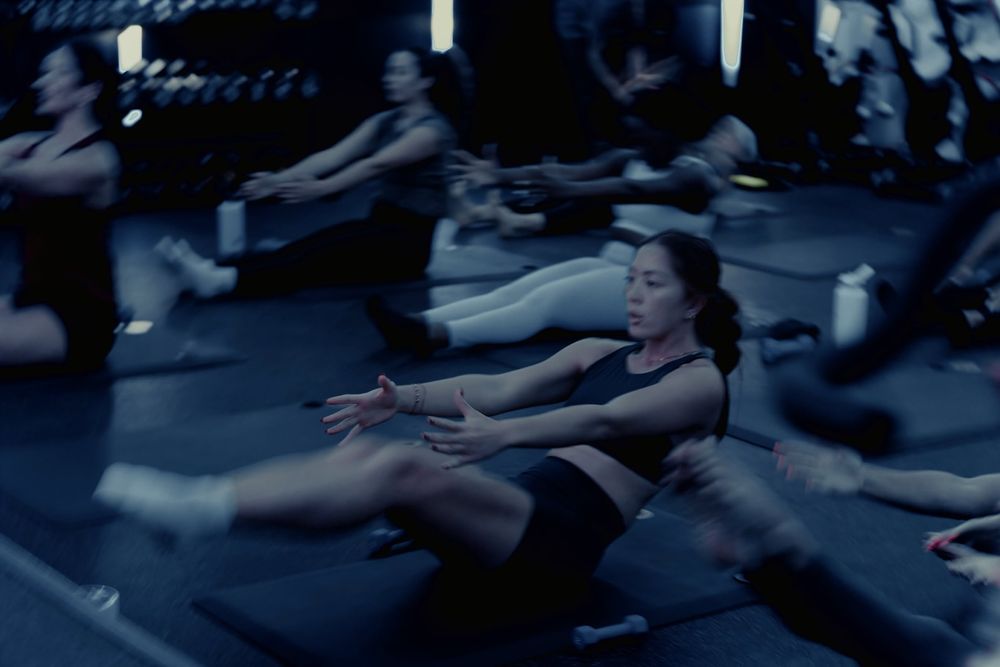
Hybrid Conditioning combines functional strength, cardiovascular work, and conditioning in one structured workout. The goal is not to make every minute as intense as possible. It is to help you improve stamina, work capacity, coordination, and your ability to keep moving well as fatigue builds.
At The Collective in Gilbert, Hybrid Conditioning is coach-led and scalable. The coach explains the workout, guides each station, and helps you adjust movements, pacing, and intensity to your current level. Beginners and experienced athletes can therefore complete the same session without needing to perform it the same way. ⚡️
If terms such as HIIT, strength training, hybrid training, and HYROX all sound similar, this guide will help you understand where Hybrid Conditioning fits and whether it makes sense for your goals.
What Does Hybrid Conditioning Actually Mean?
The word hybrid gets used in several ways across fitness.
In exercise science, combining resistance and endurance training is commonly called concurrent training. A 2026 umbrella review of 17 meta-analyses found that concurrent training can improve both aerobic capacity and strength-related outcomes in recreationally trained adults. The review also found that strength, power, and muscle growth outcomes were generally comparable with resistance training alone, while concurrent training provided greater aerobic development than resistance training alone.
At The Collective, Hybrid Conditioning is more specific than simply doing weights and cardio during the same week.
A class combines functional strength, cardio, and conditioning with coaching around movement, pacing, and effort. The stated goals include endurance, work capacity, stamina, athletic confidence, and the ability to apply strength while tired.
That might involve different stations or challenges, but the exact workout can change. The important feature is the training purpose, not one particular exercise.
Hybrid Conditioning Is Not the Same as HIIT
This distinction is useful because the two terms are often treated as interchangeable.
The American College of Sports Medicine describes HIIT as repeated periods of relatively high-intensity effort separated by recovery periods.
Hybrid Conditioning can include intervals, but the class is not defined only by reaching very high intensity.
At The Collective, members are specifically encouraged to work at an appropriate pace. Movements and intensity can be adjusted, and the coach guides how hard you should work throughout the session.
So a useful way to think about the difference is:
HIIT
HIIT describes a particular way of organizing intensity and recovery.
Hybrid Conditioning
Hybrid Conditioning describes a broader training experience that combines strength, cardio, functional movement, and conditioning to build capacity.
You may encounter interval work during Hybrid Conditioning, but finishing completely exhausted is not the definition of a successful session.
How Is It Different From Strength Training?
Strength training and Hybrid Conditioning complement each other, but they have different priorities.
Strength and Conditioning at The Collective uses progressive programming built around foundational patterns such as squats, hinges, presses, pulls, carries, and unilateral work. Training builds through structured phases instead of starting from scratch every workout.
Hybrid Conditioning takes some of that physical capability and asks you to apply it while your cardiovascular system is working harder.
Think of it this way:
Strength training asks, “How much capability can you build?”
Hybrid Conditioning asks, “How well can you use your capabilities while continuing to work?”
Both can be challenging. They simply emphasize different adaptations.
The Collective describes strength as the foundation and conditioning as the piece that develops capacity and the ability to apply strength under fatigue.
💪 That is also why replacing every strength session with conditioning would miss part of the bigger picture.
How Is Hybrid Conditioning Different From HYROX?
You do not need to be preparing for a race to benefit from Hybrid Conditioning.
HYROX is a specific competition with standardized running and workout stations. The Collective offers dedicated HYROX Prep in Gilbert, AZ, with race-specific station work, pacing, running, strength, and strategy.
Hybrid Conditioning is broader.
You can use it to improve stamina and work capacity without having any intention of competing.
For someone preparing for HYROX, Hybrid Conditioning may become one part of the weekly training system. For someone who simply wants better overall fitness, it can stand on its own as a conditioning session.
What Happens in Your First Hybrid Conditioning Class?
One reason conditioning can feel intimidating is that people imagine walking into a room where everyone already knows what to do.
That is not how The Collective describes the experience.
For a first Hybrid Conditioning session, The Collective recommends arriving 15 to 20 minutes early. You can wear normal training clothes and athletic shoes and bring water.
During the session:
The coach explains the workout
You should understand the stations and the purpose of the work before starting.
Movements can be adjusted
A beginner does not need to use the same resistance, variation, or pace as an experienced athlete.
The coach helps with pacing
Going faster is not automatically better. Your pace should reflect the workout and your ability.
You work within your current capacity
The Collective specifically positions Hybrid Conditioning as scalable for both newer and experienced members.
You do not need to “get fit first” before trying the class.
Why Combine Strength and Cardio?
For years, some exercisers worried that cardiovascular work would automatically interfere with strength or muscle development.
The research is more nuanced.
The 2026 umbrella review on concurrent training found that combining endurance and resistance training can improve aerobic capacity while still producing meaningful strength-related adaptations. For recreationally trained people, the authors concluded that concurrent training can be a valuable strategy for comprehensive fitness development.
That does not mean more conditioning is always better.
Training still needs to match your goal, experience, and recovery capacity.
The American College of Sports Medicine's updated 2026 resistance training guidance also emphasizes that consistency, individualization, and matching the program to the person's goals matter more than unnecessary complexity.
In practical terms, you do not need every physical quality trained maximally in every workout.
A good week distributes the work.
A Practical Beginner Week
Here is a hypothetical example for someone who wants to become stronger while improving general fitness.
Monday
Strength
Tuesday
Mat Pilates or easy movement
Wednesday
Hybrid Conditioning
Thursday
Rest or Recovery
Friday
Strength
Saturday
Ride or recreational activity
Sunday
Rest
This is only an example.
The Collective currently schedules Hybrid Conditioning primarily on Wednesdays and Saturdays, while Strength, Ride, Mat Pilates, Mobility, HYROX, and Recovery are distributed across the rest of the week. The live schedule should always be checked because class availability can change.
If you are unsure how these pieces should fit around your goal, Cardio Before or After Weights? How to Choose the Right Order explains how to prioritize strength and endurance across a training week.
Is Hybrid Conditioning Right for You?
Use this simple checklist. ✅
Hybrid Conditioning may be worth trying if:
• You want better stamina without doing only traditional cardio
• You enjoy varied movement and structured challenges
• You already strength train and want to improve work capacity
• You want coaching around pacing instead of guessing how hard to go
• You want to feel more confident performing physical work while tired
• You are interested in hybrid fitness but are not necessarily preparing for HYROX
• You prefer a coached environment over designing conditioning workouts yourself
You may want more individualized guidance first if you are returning from an injury, have significant pain, have a medical condition that affects exercise tolerance, or have been advised to limit vigorous exercise. In those cases, appropriate medical guidance should come before increasing training intensity.
Common Mistakes Beginners Can Avoid
Starting too fast
The first five minutes should not determine how exhausted you are for the final twenty.
Pacing is a skill.
Choosing resistance based on someone else
The person beside you may have years of training experience. Your load should match your movement quality and current capacity.
Turning every workout into a competition
Training is practice.
Not every session needs to become a fitness test.
Adding conditioning without considering the rest of your week
If you already have several demanding strength, running, or Ride sessions, simply adding more intensity may create fatigue rather than better training.
The goal is a repeatable routine, not the most difficult possible week.
Frequently Asked Questions
Do I need to be strong before trying Hybrid Conditioning?
No. The Collective states that movements can be adjusted so beginners and experienced members can train in the same session. The coach helps determine appropriate movements, pace, and intensity.
Is Hybrid Conditioning good for building muscle?
Hybrid Conditioning can include resistance work, but if increasing strength or muscle is a primary goal, structured progressive resistance training should still have a clear place in your program. The Collective uses dedicated Strength sessions for that purpose.
Is Hybrid Conditioning the same as HYROX training?
No. HYROX preparation is race-specific. Hybrid Conditioning is broader and can be used by people who want better stamina and athletic capacity without preparing for a competition.
How often should a beginner do Hybrid Conditioning?
There is no universal number that fits everyone. Your strength training, other cardio, experience, recovery, schedule, and goals all matter. Starting with one purposeful conditioning session within a balanced week can be easier to evaluate than immediately adding several.
Build Capacity Without Guessing
Hybrid Conditioning is not about collecting the hardest exercises and doing them as quickly as possible.
It is about learning how to combine movement, strength, cardiovascular effort, and pacing in a structured way.
At The Collective in Gilbert, the class is coached and scalable, so your starting point does not need to look like anyone else's. ⚡️
If you want to experience the format yourself, explore Hybrid Conditioning at The Collective and choose a session that fits your schedule.
